Dental Bridge Cost: Compare Types and Complete Quotes
Replacing one missing tooth does not necessarily mean paying for one unit of a bridge. Ask the office to draw or describe the proposed restoration, including the supporting teeth or implants. Keep this description beside the price. It helps you distinguish a fee for an individual component from a quote for the completed bridge.
CareCredit’s 2023–2024 research lists a $5,197 national benchmark for a traditional dental bridge. It is not a price for every bridge design. The number of replacement and supporting units, materials and preparatory care need to be specified in your estimate. CareCredit bridge costs; 2023–2024 study.
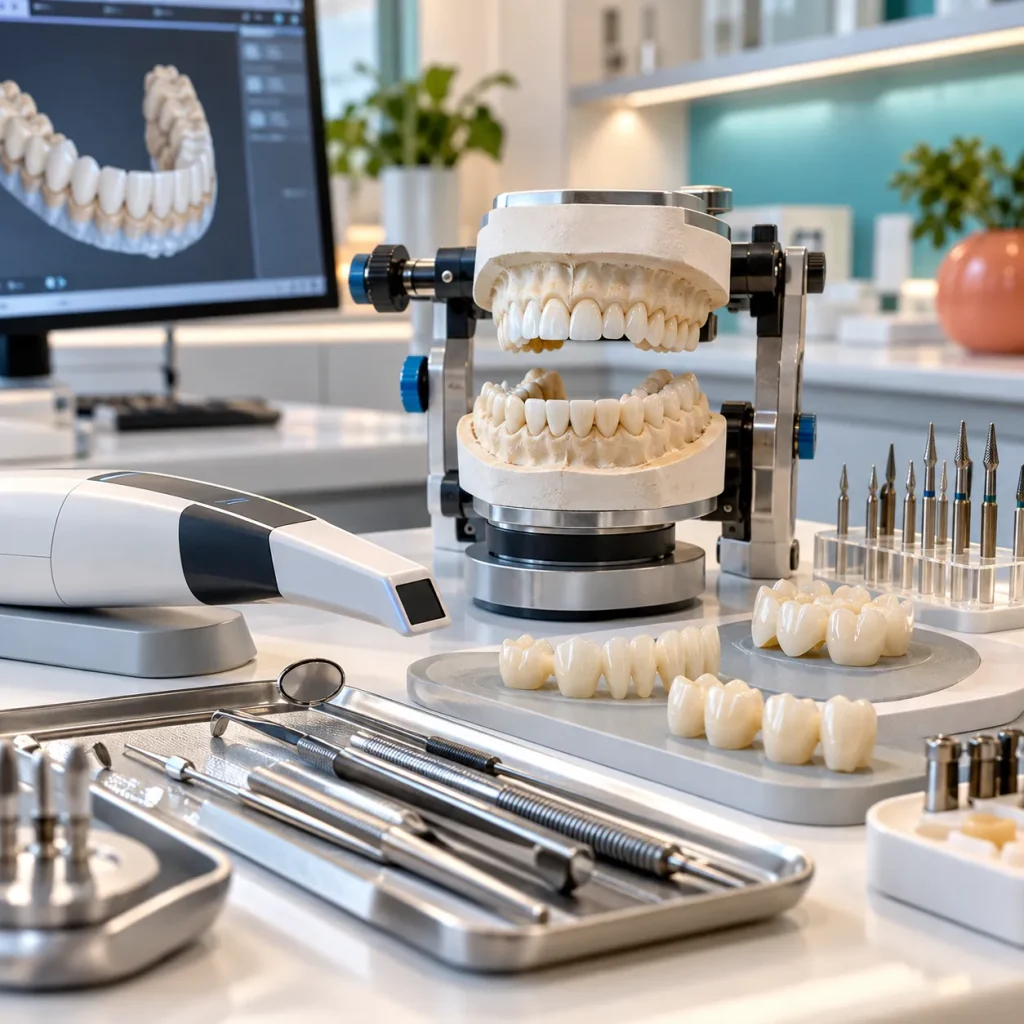 Representative dental illustration from the Family Dentistry Clinic image library.
Understand the source before comparing prices
This guide distinguishes published benchmarks from practice quotations. A state or national figure is not a city average or a personal treatment estimate. Listed resources are independent providers; inclusion does not imply an affiliation, endorsement, or guaranteed availability.
What should the estimate include?
| Cost item | What to check |
|---|---|
| Traditional bridge benchmark | $5,197; historical national reference. |
| Supporting units and replacement teeth | Ask how many units are included and which teeth are involved. |
| Preparation and temporary bridge | Confirm the work and visits included before final placement. |
 Representative image
Count the units before comparing bridge prices
Replacing one missing tooth does not necessarily mean paying for one unit of a bridge. Ask the office to draw or describe the proposed restoration, including the supporting teeth or implants. Keep this description beside the price. It helps you distinguish a fee for an individual component from a quote for the completed bridge.
A conventional bridge and an implant-supported bridge require different planning. If both are being considered, request a separate written plan for each. For an implant-supported option, confirm whether surgery is included. For a tooth-supported option, ask what preparation is proposed for the supporting teeth. A comparison becomes useful only when both totals reach the same endpoint: a completed replacement.
Questions to ask before booking
- How many units are included?
- What material and bridge design are proposed?
- Does the fee include a temporary bridge and fitting?
- Are any implants, extractions or other treatments outside the quote?
Take notes beside the written estimate. Ask the office to mark an item as included, excluded, or not yet determined. This makes unresolved costs visible before you agree to treatment.
Check your expected payment
Ask the practice and insurer to reconcile the proposed treatment with your benefits. Request the estimated amount you would owe and ask what could change it. For a self-pay visit, confirm the full cash price, deposit, payment dates and cancellation terms.
If you are considering financing, request the total repayment amount and written terms. Compare them with the cash quote before deciding. See the main cost guide for broader payment-planning resources.
Frequently asked questions
Is a bridge quote per tooth or for the whole bridge?
Either format may be used. Ask the office to identify the billing unit and provide the complete treatment total.
Will insurance pay the full bridge cost?
Request a benefits estimate for the exact plan. Ask about limitations, exclusions and what you would owe if the insurer pays less than estimated.
Can I compare a bridge with a single implant price?
Compare complete plans, including any required surgery and final restoration. An implant-placement-only price is not equivalent to a finished bridge.
Related guides and dentist profiles
Sources and pricing method
This guide distinguishes published benchmarks from practice quotations. A state or national figure is not a city average or a personal treatment estimate. Listed resources are independent providers; inclusion does not imply an affiliation, endorsement, or guaranteed availability.
- CareCredit bridge costs; 2023–2024 study
Treatment decisions require a dental examination. Family Dentistry Clinic is an informational directory and does not provide dental treatment. See our editorial policy and medical disclaimer.
Find a practice and request a written plan
Use the clinic directory to identify practices to contact. Check current availability, fees and services directly. Family Dentistry Clinic does not set provider prices or make treatment recommendations for an individual patient. Dental implant cost guide